
Events
January 2026
National Conference on State Finance Commissions (SFCs) in India
Date: 17th January 2026 | Time : 09:00 AM - 05:00 PM | Venue: Pune International Centre
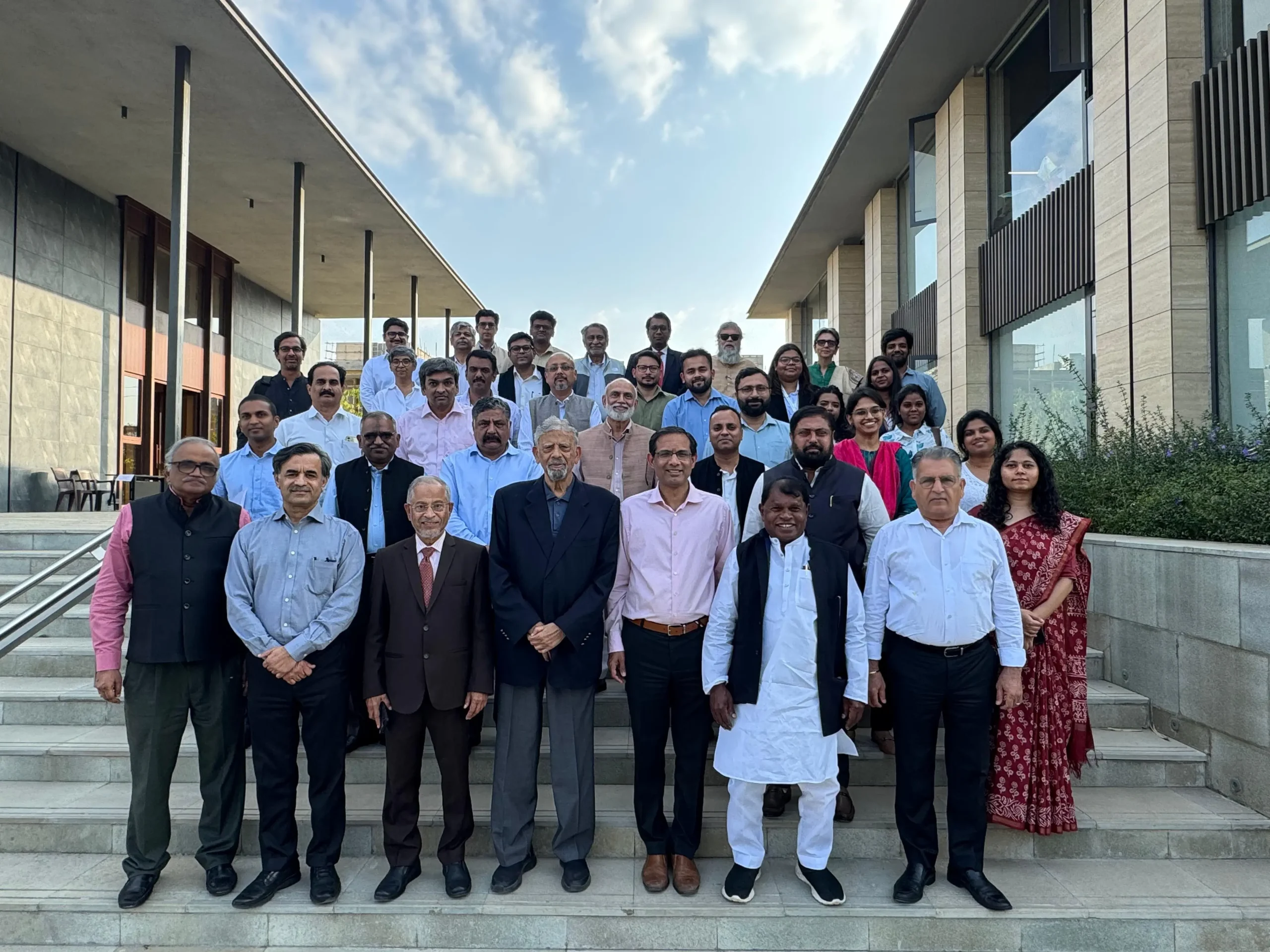
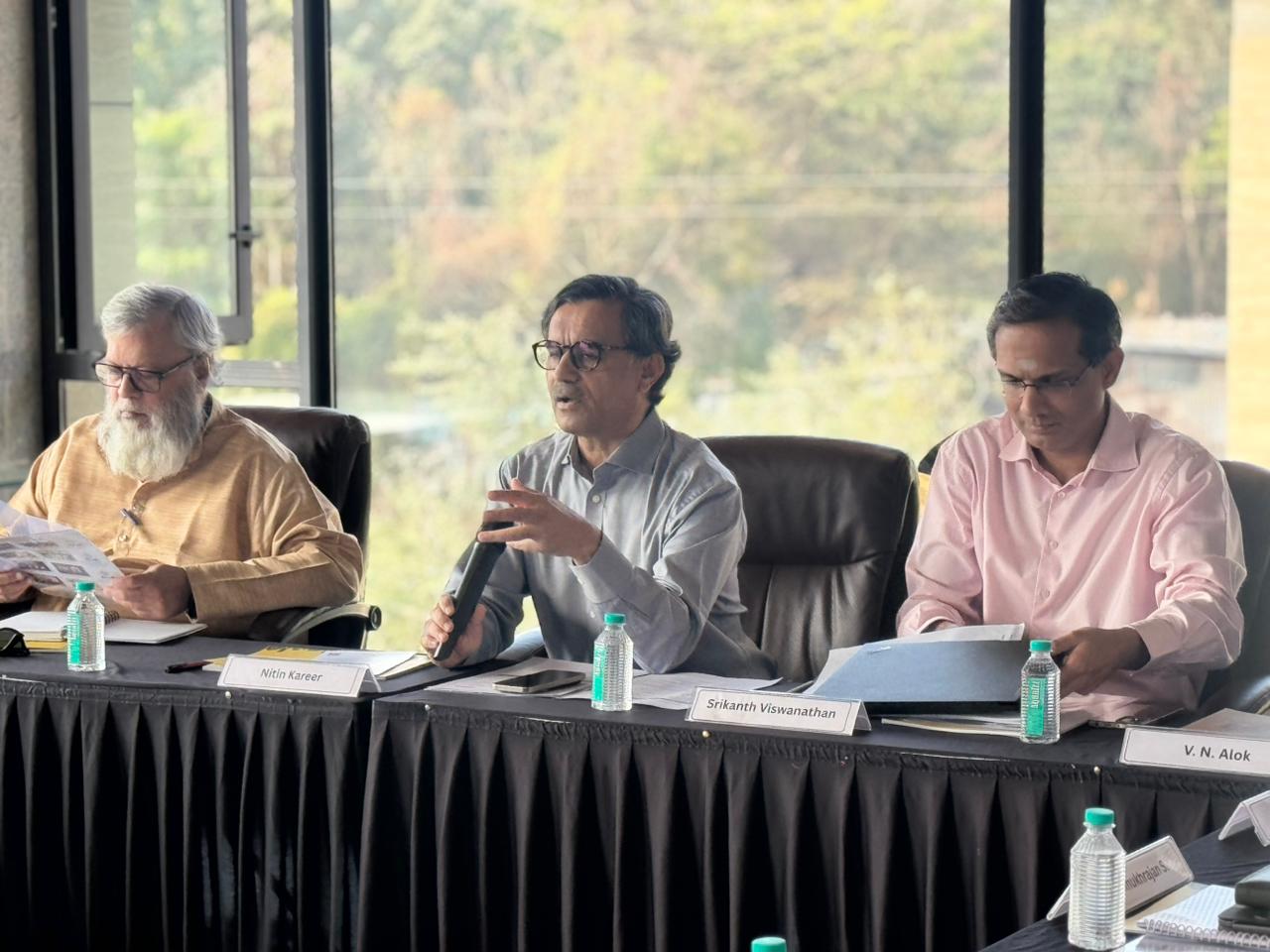
State Finance Commissions (SFCs) occupy a constitutionally mandated but persistently underpowered position in India’s system of fiscal federalism. Envisaged under the 73rd and 74th Constitutional Amendments as the cornerstone of fiscal decentralisation, SFCs are expected to recommend principles for the sharing of state revenues with rural and urban local governments and to strengthen their financial capacity. Yet, more than three decades later, the promise of SFCs remains only partially realised.
Across states, SFCs face a common set of challenges: delayed constitution, limited technical and analytical capacity, weak data systems, loss of institutional memory between successive commissions, and poor implementation or monitoring of recommendations. At the same time, the responsibilities of local governments have expanded rapidly, driven by urbanisation, growing service delivery expectations, and increasing reliance on tied grants and centrally sponsored schemes. This mismatch between mandates and means has placed local governments under sustained fiscal stress.
The National Conference on State Finance Commissions, held at Pune International Centre, on 17th January 2026, provides a platform to take stock of these challenges and to reflect on the evolving role of SFCs in India’s federal architecture. Drawing on the experiences of SFC chairpersons, practitioners, researchers, and policymakers. The discussion was broadly based on the themes mentioned below:
- Strengthening State Finance Commissions to advance cooperative federalism, fiscal decentralisation, and accountable local governance.
- Improving devolution outcomes through better institutional design, continuity, and evidence-based decision-making.
- Addressing emerging fiscal pressures from urbanisation, service delivery demands, and data constraints at the local level.
By fostering a peer-based dialogue and encouraging the exchange of practices across states, the conference sought to move beyond diagnosis toward actionable pathways for reform. The broader objective is to reimagine SFCs not merely as periodic advisory bodies, but as integral institutions supporting cooperative federalism, accountable decentralisation, and sustainable local governance.
Attendees for the Conference
State Finance Commission (SFC) Participants
R. K. Mehta – Chairperson, Haryana 7th State Finance Commission; Mr. K. Allaudin, IAS (Retd.) – Chairperson, Tamil Nadu 7th State Finance Commission; Dr. K. N. Harilal – Chairperson, Kerala 7th State Finance Commission; Shri Rajaiah Siricilla – Hon’ble Chairperson, Telangana State Finance Commission; Sh. Kulwant Khullar – Member, Haryana 7th State Finance Commission; Mr. Vivek – Officer on Special Duty (OSD), Tamil Nadu 7th State Finance Commission; Shri Sankepally Sudheer Reddy – Hon’ble Member, Telangana State Finance Commission; Shri Praneeth Kumar Kaparthi – Senior Lead, Telangana State Finance Commission.
Pune International Centre (PIC) Participants
Dr. Vijay Kelkar – Vice President, Pune International Centre (PIC) and Chairman, Thirteenth Finance Commission of India; Dr. Nitin Kareer, IAS (Retd.) – Chairperson, Maharashtra 6th State Finance Commission and Trustee, Pune International Centre (PIC); Dr. Abhay Pethe – Senior Fellow, Pune International Centre (PIC); Dr. Vishal Gaikwad – Research Fellow, PIC; Ms. Amruuta Pawar – Program Manager, Pune International Centre (PIC); Ms. Nidhi Tambe – Research Assistant, Pune International Centre (PIC); Mr. Anay Kulkarni – Research Assistant, Pune International Centre (PIC).
Janaagraha Participants
Mr. Srikanth Viswanathan – Chief Executive Officer, Janaagraha, overseeing organizational strategy and operations since 2016; Mr. Prabhat Kumar – Director, Public Finance Management, Janaagraha, leading initiatives on municipal finance and fiscal decentralization; Ms. Manisha Marulasiddappa – Senior Associate, Public Finance Management, Janaagraha, working on strengthening urban finance systems; Mr. S. M. Vijayanand, IAS (Retd.) – Advisory Board Member, Janaagraha and Former Chief Secretary, Government of Kerala.
Other Invitees / Experts
Sunil Dhade – Former Civil Servant and Principal Accountant General (Audit) for Maharashtra, Indian Audit and Accounts Service; Ms. Susan Thomas – Senior Research Fellow and Co-founder, XKDR Forum; Mr. Anirudh Burman – Senior Research Fellow, XKDR Forum; Mr. Manish K. Singh – Visiting Research Fellow, XKDR Forum and Assistant Professor, IIT Roorkee; Dr. V. N. Alok – Professor, Indian Institute of Public Administration and Member, Delhi Finance Commission; Dr. Ravikant Joshi – Urban Finance and Management Specialist; Mr. Pashim Tewari – Technical Director, All India Institute of Local Self-Government (AIILSG); Mr. Pramit Bhattacharya – Data for India; Mrs. Mala Lalvani – Mumbai School of Economics and Public Policy; Mr. Hari K. S. – Gokhale Institute of Politics and Economics; Mr. Devashish Deshpande – Principal Consultant, Strategic Public Finance, CEGIS Foundation; Mr. Anindya Panda – Senior Program Manager, Public Finance Team, CEGIS Foundation; Mr. Sharad Pandey – Senior Research Associate, ResGov; Mr. Manish Gupta – Associate Professor, National Institute of Public Finance and Policy; Mr. Omkar Mukund Kane – Centre for Water and Sanitation (CWAS); Ms. Jayashree Dilip Bhingardeve – Centre for Water and Sanitation (CWAS); Ms. Reshma Sambare – Jhep Foundation.
November 2025
Gavakadun Shaharakde Jatana: Gramsanavad
Date: 13th November 2025 | Time: 11:00 am to 1:00 pm | Venue: Pune International Centre
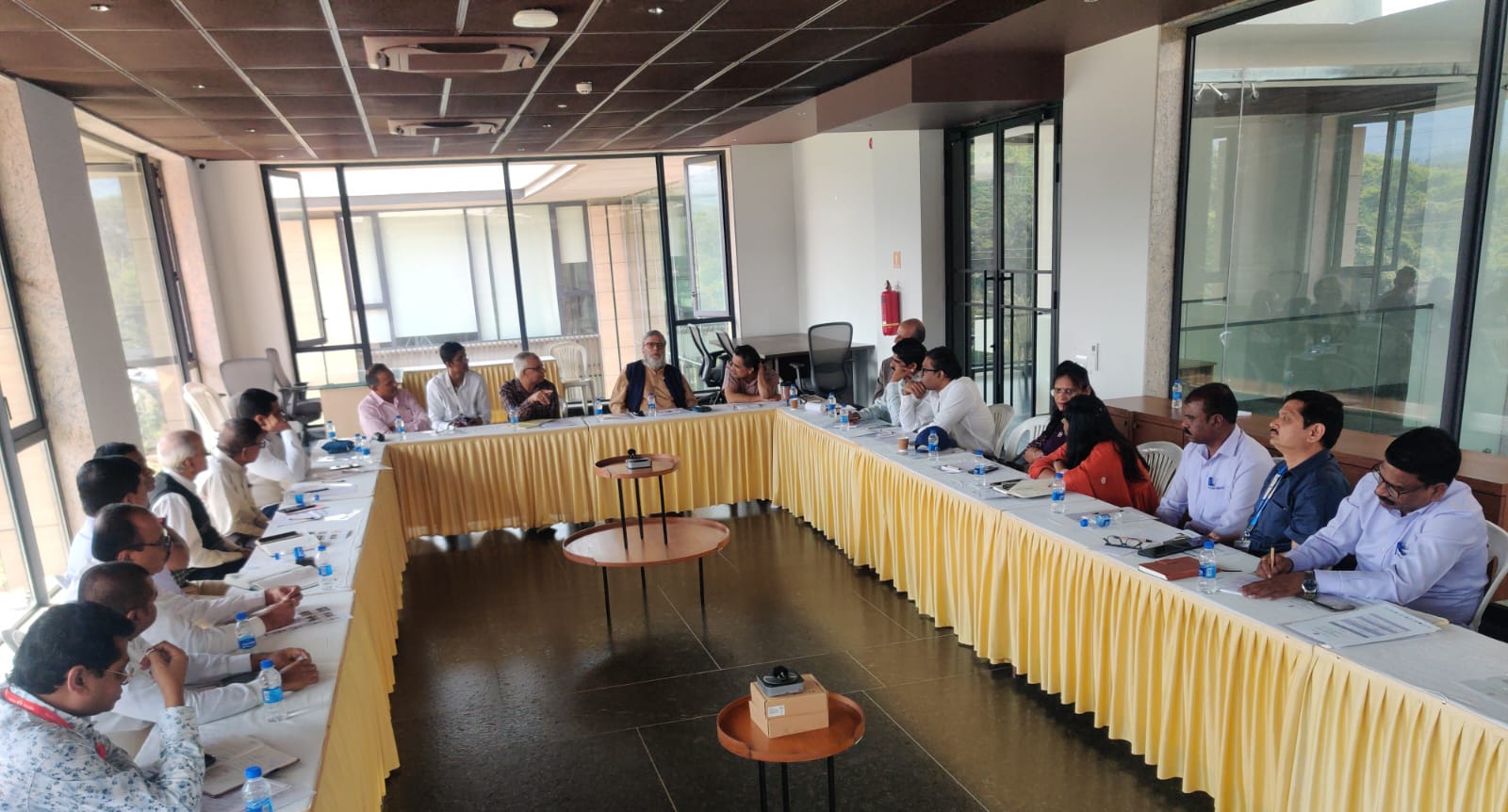
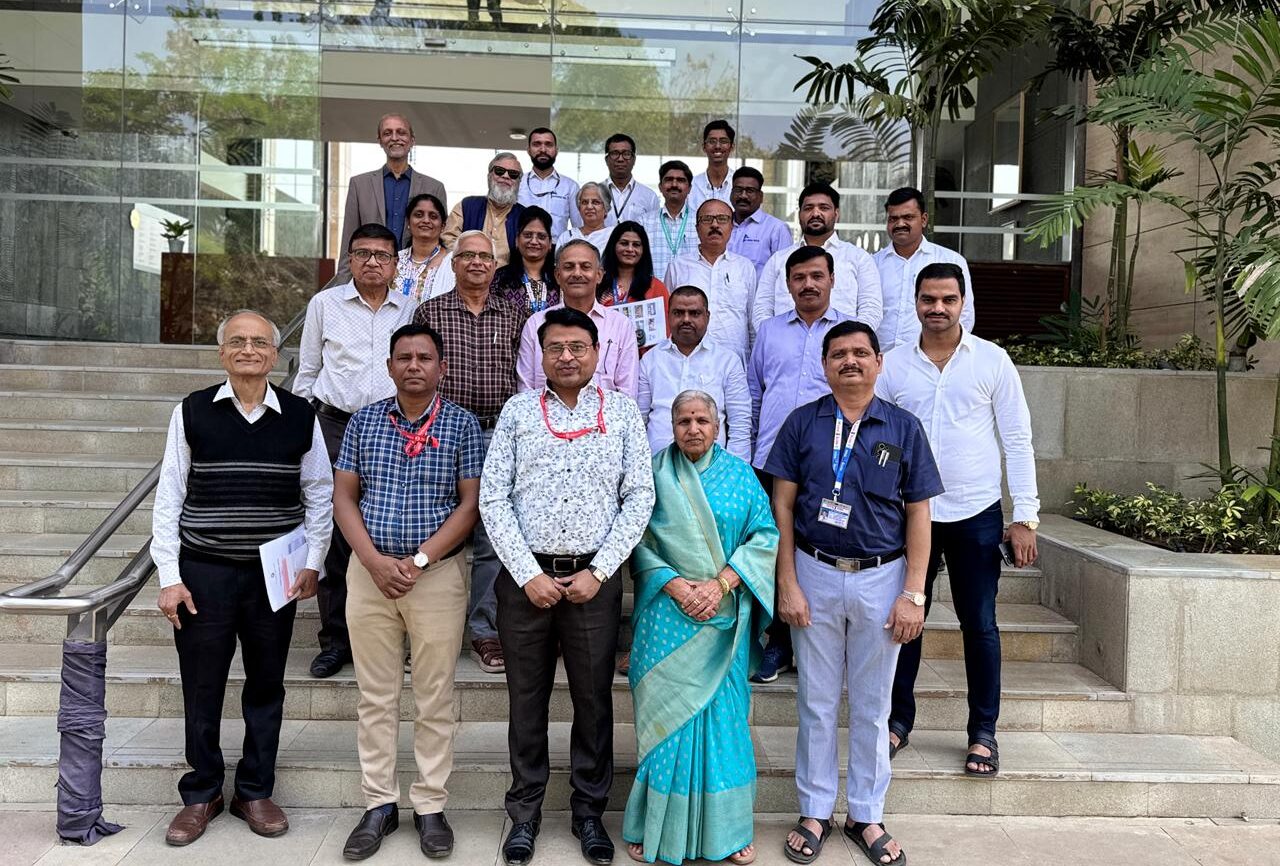
The round table Gavakadun Shaharakde Jatana: Gramsanavad was held on Thursday, 13 November 2025 by Cooperative Federalism and Multilevel Governance (CFMG), Pune International Centre, with participation from Dr. Nitin Kareer (Trustee, PIC), Dr. Ajit Ranade (Trustee, PIC), Maj. Gen. Nitin Gadkari (Director, PIC), Mr. Sunil Kumar (Senior Visiting Fellow, PIC), Prof. Abhay Pethe (Senior Fellow, PIC), Ms. Juthika Patanakar (IAS Retd.) (Senior Fellow, PIC), Dr. Vishal Gaikwad (Research Fellow, PIC), and Dr. Mallinath Kalshetty (IAS Retd.), Deputy Director, YASHADA, Mr. Hansraj Suryavanshi, Director, SATYAH consultancy along with Gram Sevaks and representatives from the Gram Panchayats of Hinjewadi, Maan, Marunje, Nere, Jambhe, Sangawade, and Gahunje.
The session was coordinated by Nidhi Tambe and Anay Kulkarni (Research Assistants in CFMG).
This was the second round-table interaction, following the earlier session held on 10 September 2025, titled “Gavakadun Shaharakde Jatana: Gramsevakancha Drushtikon”. Both discussions fall under the ongoing project “Transitioning Phases of Governance and Its Impact on Basic Service Delivery”, led by Mr. Sunil Kumar (IAS Retd.), Former Secretary, Ministry of Panchayati Raj, and Senior Visiting Fellow at PIC.
Key Points of Discussion
Rapid urbanisation — driven by industrial expansion, rising migration, and large-scale infrastructure development — is transforming traditionally rural Gram Panchayat regions into urbanising settlements. Seven villages are currently under consideration for transition from Rural Local Government to Urban Local Government.
However, several governance constraints were identified:
- Panchayati Raj Institutions are not yet equipped to deliver urban-scale services.
- Overlapping jurisdictions of GP, MIDC, PMRDA, Municipality, Metro etc. lead to fragmented responsibilities.
- Population increase beyond 10,000+ households intensifies service demand and infrastructure stress.
- Land conversion from agriculture to commercial/industrial use is changing economic activity and social structures.
- Newly migrating populations expect improved standards of service delivery, exceeding existing GP capacities.
- Citizens increasingly demand accountability, transparency, and service parity with urban areas.
Insights from Speakers
- Urbanisation is inevitable — governance systems must adapt accordingly (Sunil Kumar).
- Rural local governments can outperform urban counterparts when leadership and resources align (Dr. Mallinath Kalshetty).
- Transitioning must be gradual, consultative, financially rational, and service-focused (Dr. Nitin Kareer).
Way Forward
The dialogue highlighted the need for a structured Peri-Urban Transition Framework which:
- Assesses institutional and administrative readiness of Gram Panchayats.
- Establishes service delivery and financing standards for transition.
- Integrates land-use planning early to prevent unmanaged expansion.
- Strengthens citizen participation, ensuring communities shape their own urbanising pathway.
The conference concludes that peri-urban regions cannot be treated as purely rural or urban. Instead, they must be recognised as hybrid, evolving spaces requiring customised policy design, financial planning, and institutional innovation. A strengthened transition framework can help ensure equitable service delivery, citizen rights, and sustainable transformation during this critical phase of urban growth.
September 2025
गावाचे शहर होताना : ग्रामसेवकांचे दृष्टिकोन
Date: 10 September 2025 | Time: 10:00 AM – 01:00 PM | Venue: Pune International Centre
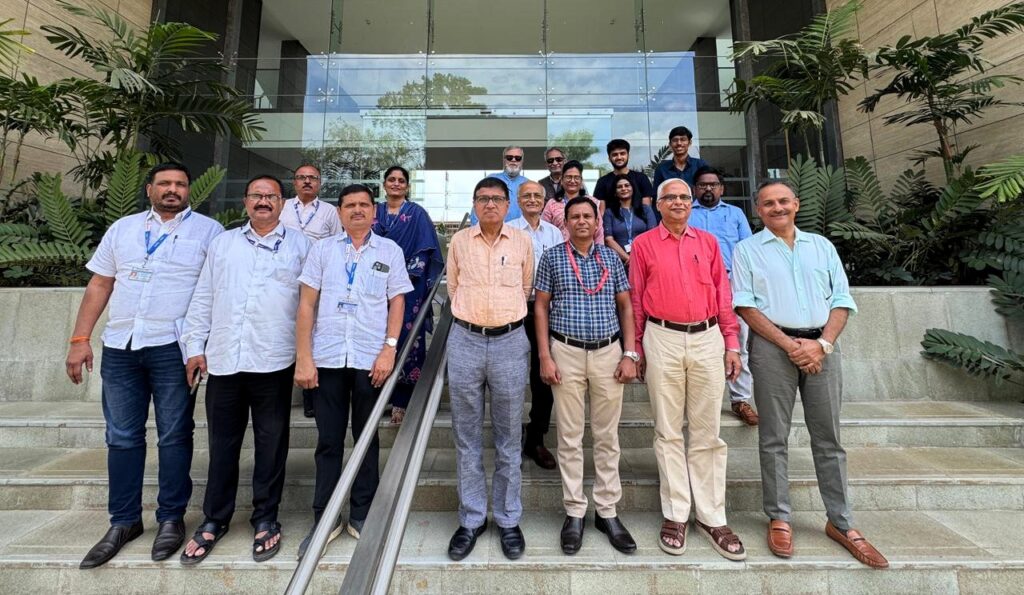
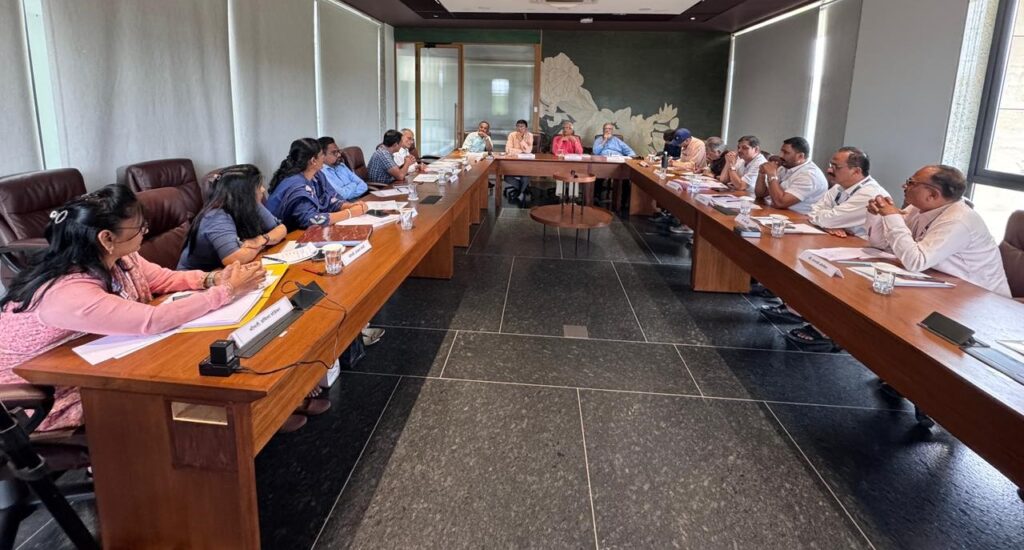
The Co-operative Federalism & Multilevel Governance (CFMG) Vertical at Pune International Centre (PIC) organised a Roundtable Conference on 10th September 2025 at PIC, Pune. This event was part of the ongoing national research initiative:
“The Study of the Transitioning Phases of Governance from Rural to Urban and Its Impact on Basic Service Delivery for the Citizen in India,”
undertaken by PIC–CFMG and mentored by Shri Sunil Kumar, IAS (Retd.), Former Secretary, Ministry of Panchayati Raj, Government of India.
The conference brought together Gram Vikas Adhikaris, senior administrators, and policy experts to deliberate on the rapid urbanisation of Hinjawadi, Marunji, Maan, Nere, Jambe, Sangawade, and Gahunje villages and its implications for governance, livelihoods, and community life.
Key Themes of Discussion
- Impact of urbanisation on livelihoods and land use
- Shifting land ownership patterns and evolving social relations
- Governance challenges in service delivery and coordination
- Community participation, trust, and accountability in local governance
- Perspectives on integration into urban governance structures
Distinguished Speakers
Key Speakers
- Shri Sunil Kumar, IAS (Retd.) – Former Secretary, Ministry of Panchayati Raj, Government of India
- Prof. Abhay Pethe – Head, CFMG, Pune International Centre
- Dr. Mallinath Kalshetty, IAS (Retd.) – Deputy Director, YASHADA
- Maj. Gen. Nitin Gadkari (Retd.) – Director, Pune International Centre
- Prof. Ajit Karnik – Senior Research Fellow, CFMG, PIC
- Dr. Vishal Gaikwad – Research Fellow, CFMG, PIC
- Shri Sudhir Bhagavat – BDO, Mulshi
Gram Vikas Adhikaris:
- Shri Madan Shelar – Maan Grampanchayat
- Smt. Ujwala Davare – Sangawade Grampanchayat
- Shri Tulshiram Raykar – Marunji Grampanchayat
- Smt. Asma Naikwadi – Jambe Grampanchayat
- Shri Tanaji Olekar – Gahunje Grampanchayat
- Smt. Pramila Ghodekar – Nere Grampanchayat
- Shri Soma Khaire – Hinjawadi Grampanchayat
The discussions highlighted the critical challenges and emerging opportunities faced by villages transitioning into urban governance frameworks, providing valuable insights for policy and practice.
The event was coordinated by Shri Anay Kulkarni, Research Assistant, CFMG, PIC.
August 2025
Unlocking CSR Ecosystem for Public Spaces
Date: 20th August 2025 | Time: 2:30 PM – 6:00 PM | Venue: Pune International Centre
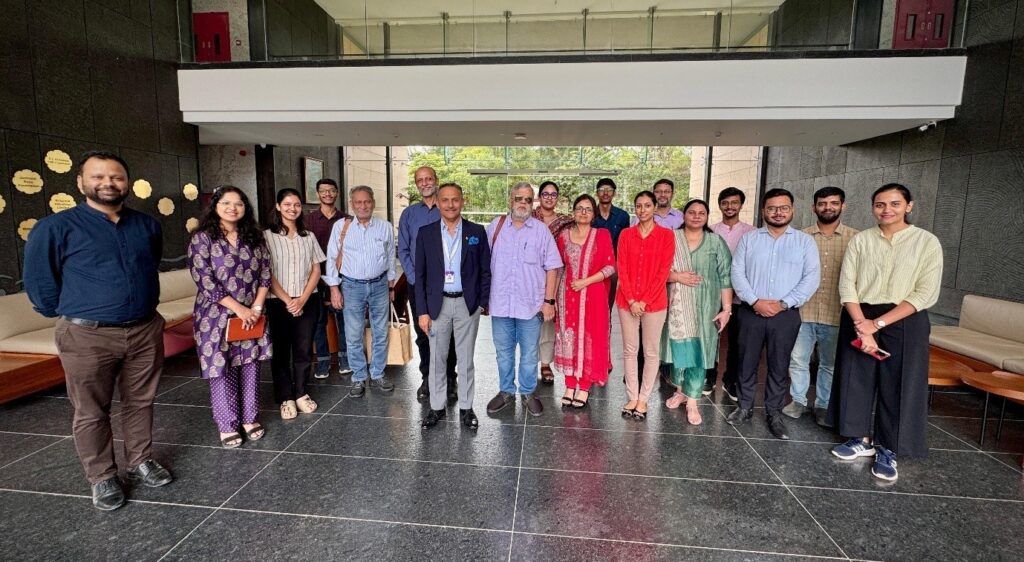
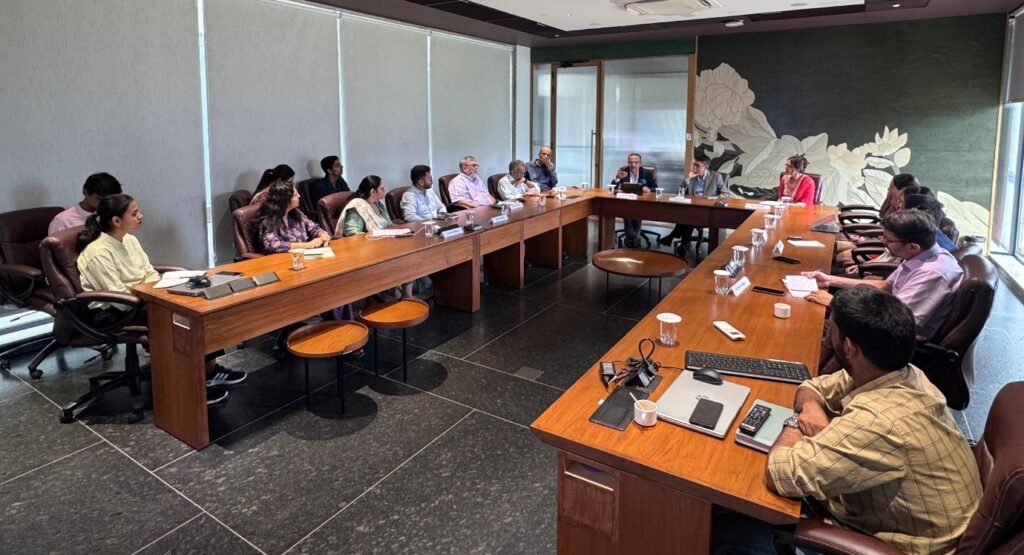
The Pune International Centre (PIC), in collaboration with WRI India and supported by its Co-operative Federalism and Multilevel Governance (CFMG) vertical, convened a roundtable on “Unlocking CSR Ecosystem for Public Spaces.” The session explored how India’s CSR ecosystem can address the severe underinvestment in public spaces critical commons such as streets, sidewalks, parks, and wetlands that support ecological resilience, informal livelihoods, and cultural life.
Speakers noted that while Indian companies spent over ₹26,000 crore on CSR in FY 2022–23, less than 1% was directed toward urban infrastructure, highlighting both a gap and an opportunity. Discussions emphasized the role of CSR in fostering inclusive, climate-resilient, and accessible urban spaces while advancing SDG 11.
The convening featured a keynote by Mr. Ravi Pandit, a presentation by WRI India, and a roundtable discussion with experts including Prof. Abhay Pethe and Prof. Ajit Karnik. Participants called for actionable strategies and partnerships to channel CSR investments into the restoration, governance, and sustainable management of public spaces, positioning CSR as a catalytic force for shaping equitable and livable Indian cities.
March 2025
Annual Conference on Democratic Decentralisation
Date: 24th March 2025 | Time: 10:00 AM – 05:00 PM | Venue: Pune International Centre
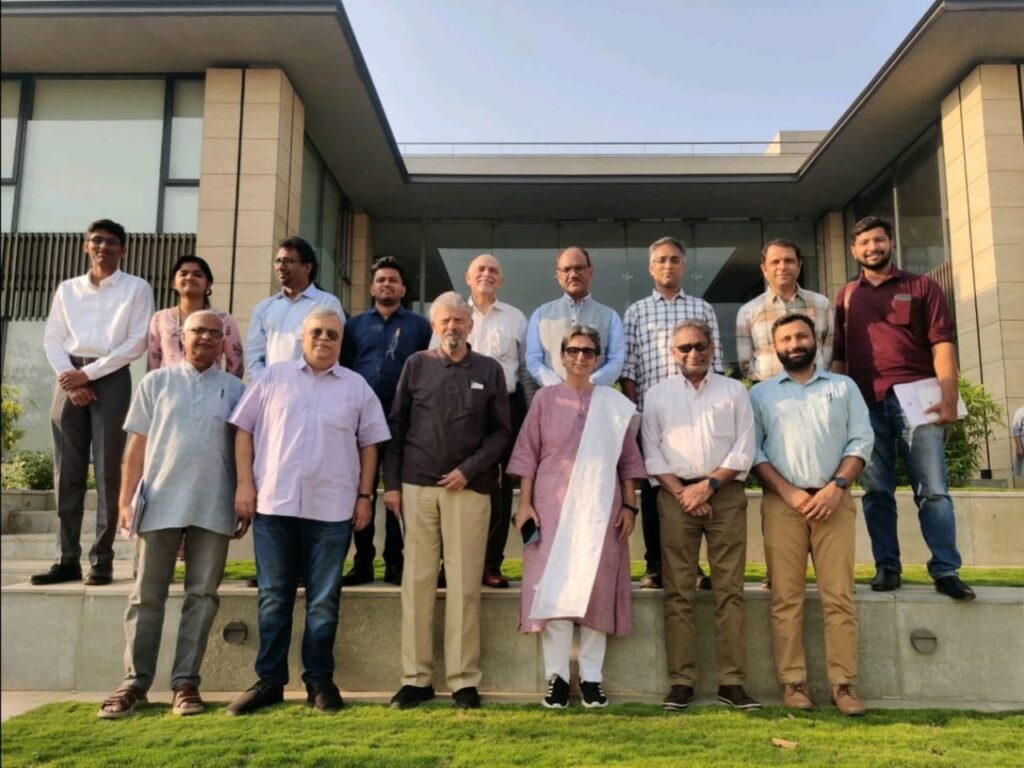
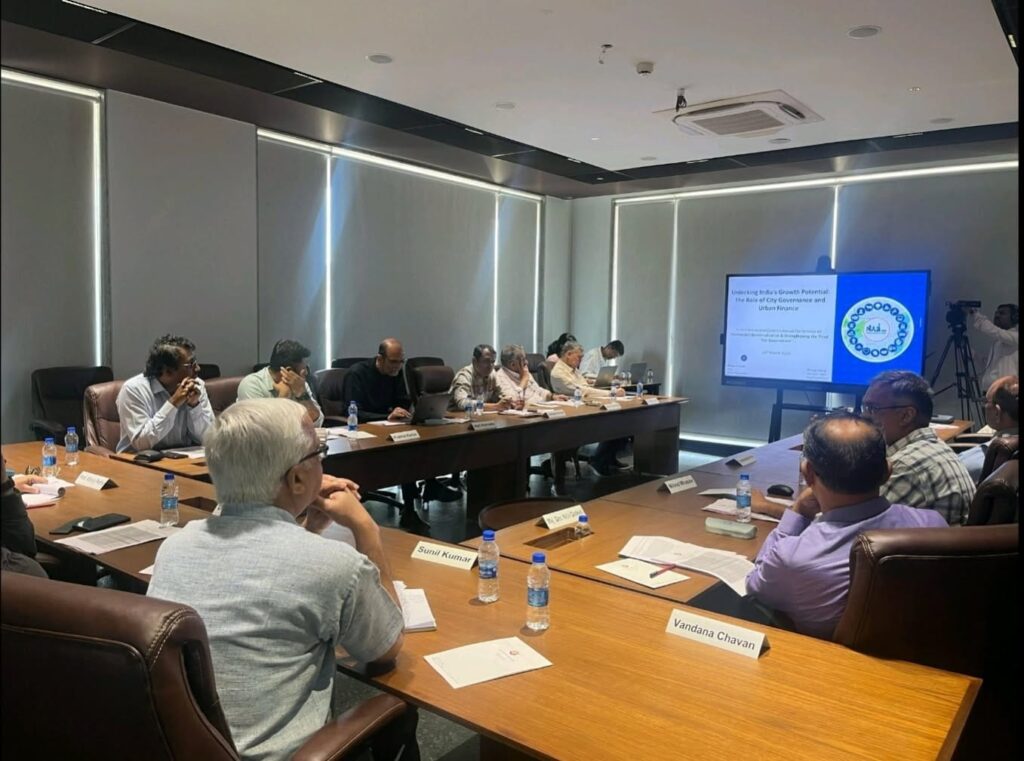
On 24th March 2025, the Pune International Centre (PIC) hosted its annual conference on “Democratic Decentralisation & Strengthening the Third Tier of Government” at the PIC Campus, Pashan, Pune from 10:00 AM to 5:00 PM. The event was chaired by Dr. Vijay Kelkar, Vice President, PIC, and coordinated by Dr. Vishal Gaikwad, Research Fellow, PIC and Research Coordinator at the Gokhale Institute of Politics and Economics (GIPE).
The conference brought together leading scholars, policymakers, and practitioners to deliberate on challenges in urban and rural local governance, fiscal decentralisation, municipal finance reforms, and citizen participation.
Key Participants
Prof. Abhay Pethe (Senior Fellow, PIC); Dr. Vishal Gaikwad (PIC & GIPE); Mr. Sunil Kumar (former Secretary, Ministry of Panchayati Raj); Mr. Anish Kumar (Transform Rural India Initiative); Dr. Chandrashekhar Pran (Teesri Sarkar Abhiyan); Mr. Prabhat Kumar (Janaagraha); Dr. Ramanath Jha (ORF); Dr. Ravikant Joshi (former Consultant, World Bank); Dr. Ajit Ranade (former Vice Chancellor, GIPE); Mr. Milind Mhaske (Praja Foundation); Prof. Ajit Karnik (Middlesex University Dubai); Prof. Mala Lalvani (University of Mumbai); Ms. Seena Mary Thankachan (PIC); and Mr. Anay Ajit Kulkarni (PIC).
Papers Presented
- “Unlocking India’s Growth Potential: The Role of City Governance and Municipal Finance Reforms” – Mr. Milind Mhaske
- “Rural Local Bodies Governance” – Dr. Chandrashekhar Pran
- “Local Bodies Finances: Powering Third Tier Government” – Mr. Anish Kumar
- “Reforms for Financial Transparency in Urban Local Governments of India” – Mr. Prabhat Kumar
The discussions emphasised the need for genuine fiscal and functional devolution to local governments, improved transparency in municipal finances, stronger State Finance Commissions, and greater citizen participation through Gram Sabhas and Ward Committees.
In his concluding remarks, Dr. Kelkar stressed the importance of creating financially empowered, accountable, and citizen-responsive local governments and called for continued research collaboration to strengthen cooperative federalism and multilevel governance in India.